Basement waterproofing blocks water from entering the structure, while damp-proofing reduces moisture absorption through foundation walls. Waterproofing systems typically include drainage channels, sump pumps, and exterior membranes that redirect water away from the foundation. Damp-proofing focuses on protective coatings or barriers that limit moisture penetration through concrete or masonry surfaces. In areas where groundwater pressure is moderate, basement damp-proofing in Wheeling, WV may help manage minor moisture issues. However, homes experiencing frequent leaks or standing water often require more comprehensive basement waterproofing solutions to protect the structure and maintain a dry basement environment.
The cost varies depending on the size of the basement, moisture severity, and the type of protective system needed. Every property has unique drainage conditions, foundation materials, and moisture exposure levels that affect the overall project scope. Because of these variables, accurate pricing usually requires an on-site inspection and moisture evaluation. Homeowners seeking basement damp-proofing in Wheeling, WV are generally encouraged to request a personalized estimate rather than relying on general cost ranges. For accurate pricing details or project guidance, homeowners can reach out directly at (724) 746-8870 to discuss their property conditions and receive an estimate.
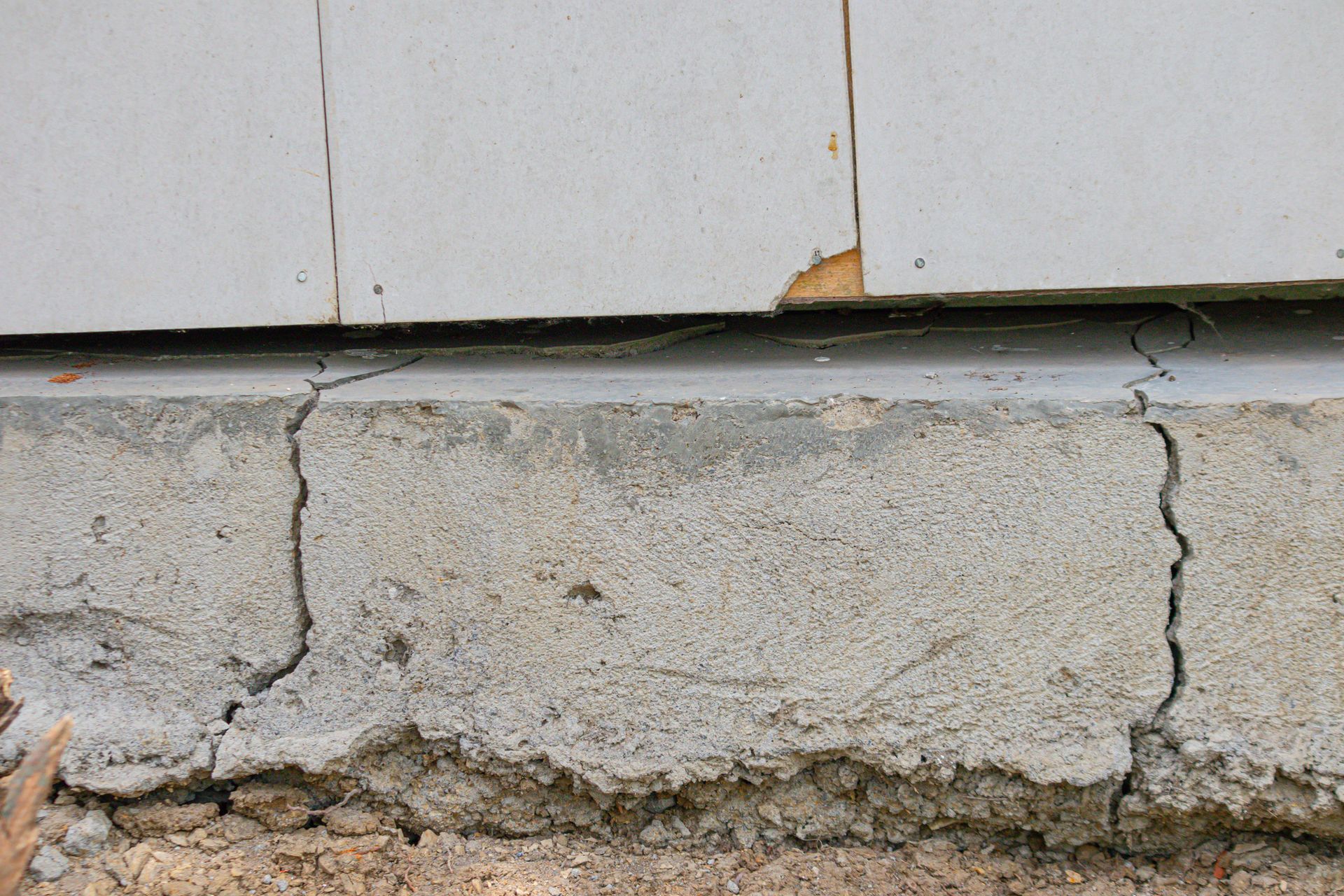
Persistent damp odors, visible moisture stains, peeling paint, and small wall cracks often indicate that moisture is entering the basement. Other warning signs may include condensation on walls, efflorescence (white mineral deposits), or minor mold growth near foundation surfaces. These issues often develop when groundwater or surface runoff gradually penetrates porous foundation materials. Addressing these symptoms early helps prevent structural deterioration and indoor air quality concerns. Professional inspections can identify whether moisture is entering through cracks, poor drainage, or foundation permeability so the appropriate moisture control solution can be recommended.
Most damp-proofing projects can be completed within one to three days depending on the foundation size and preparation required.
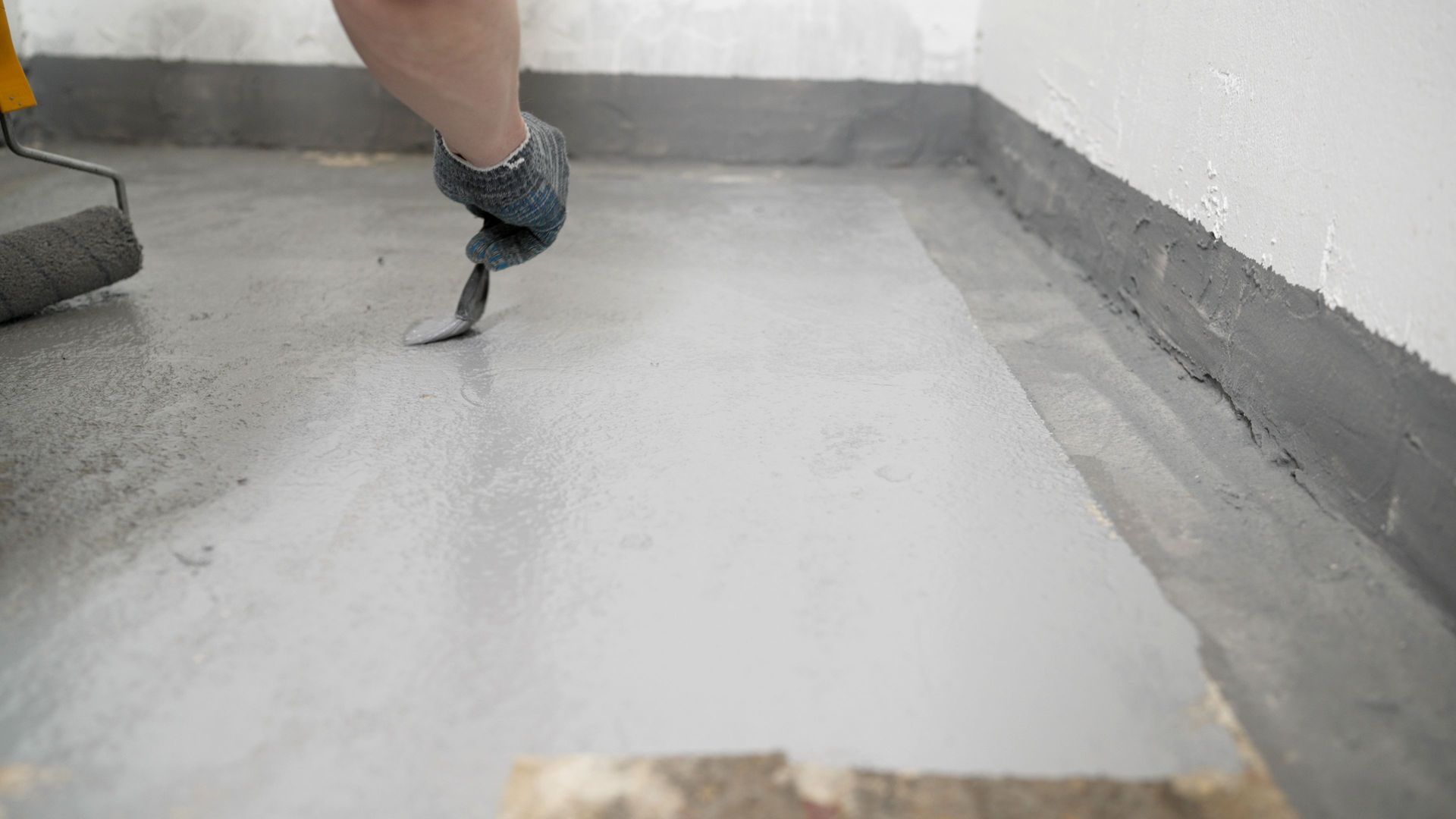
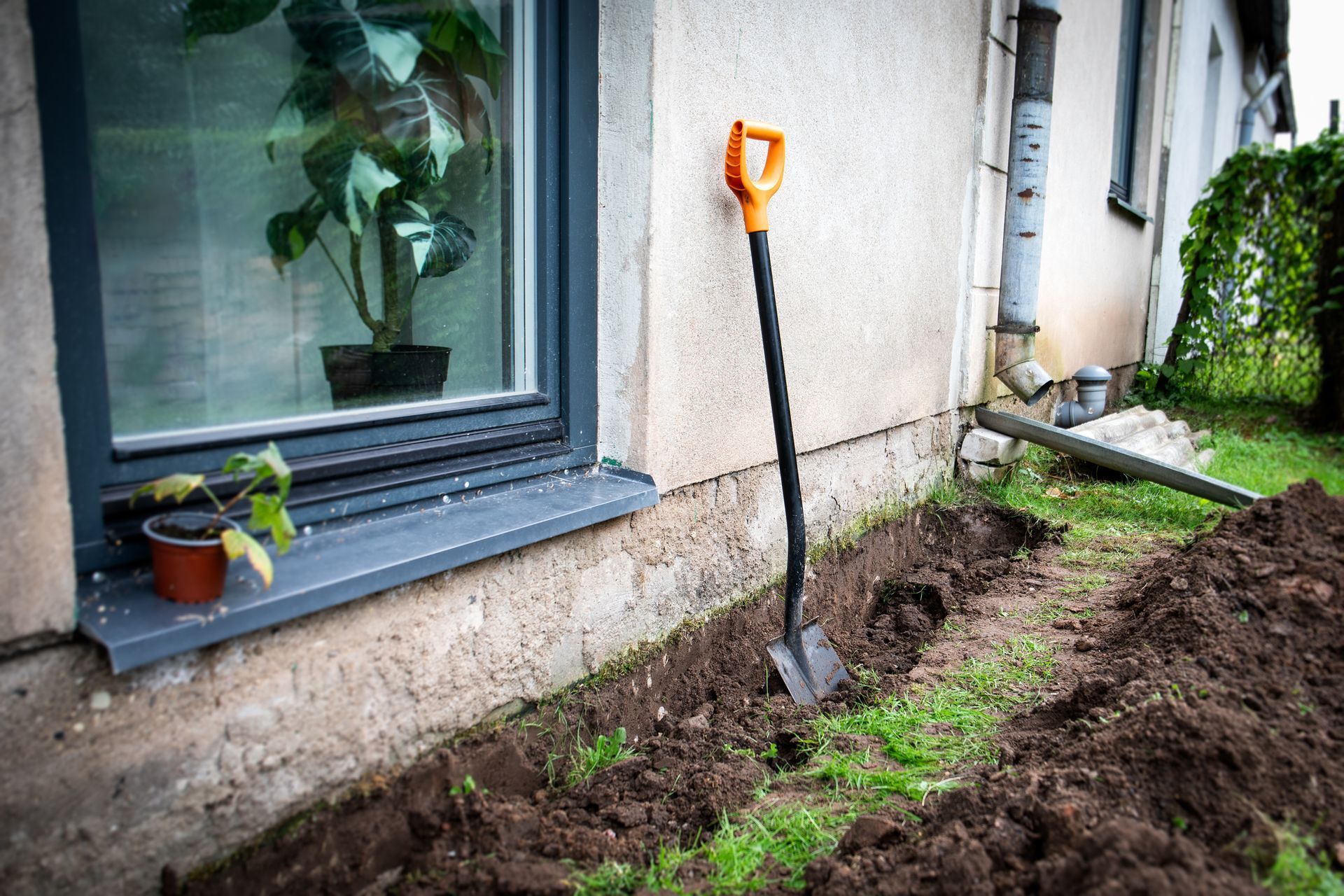
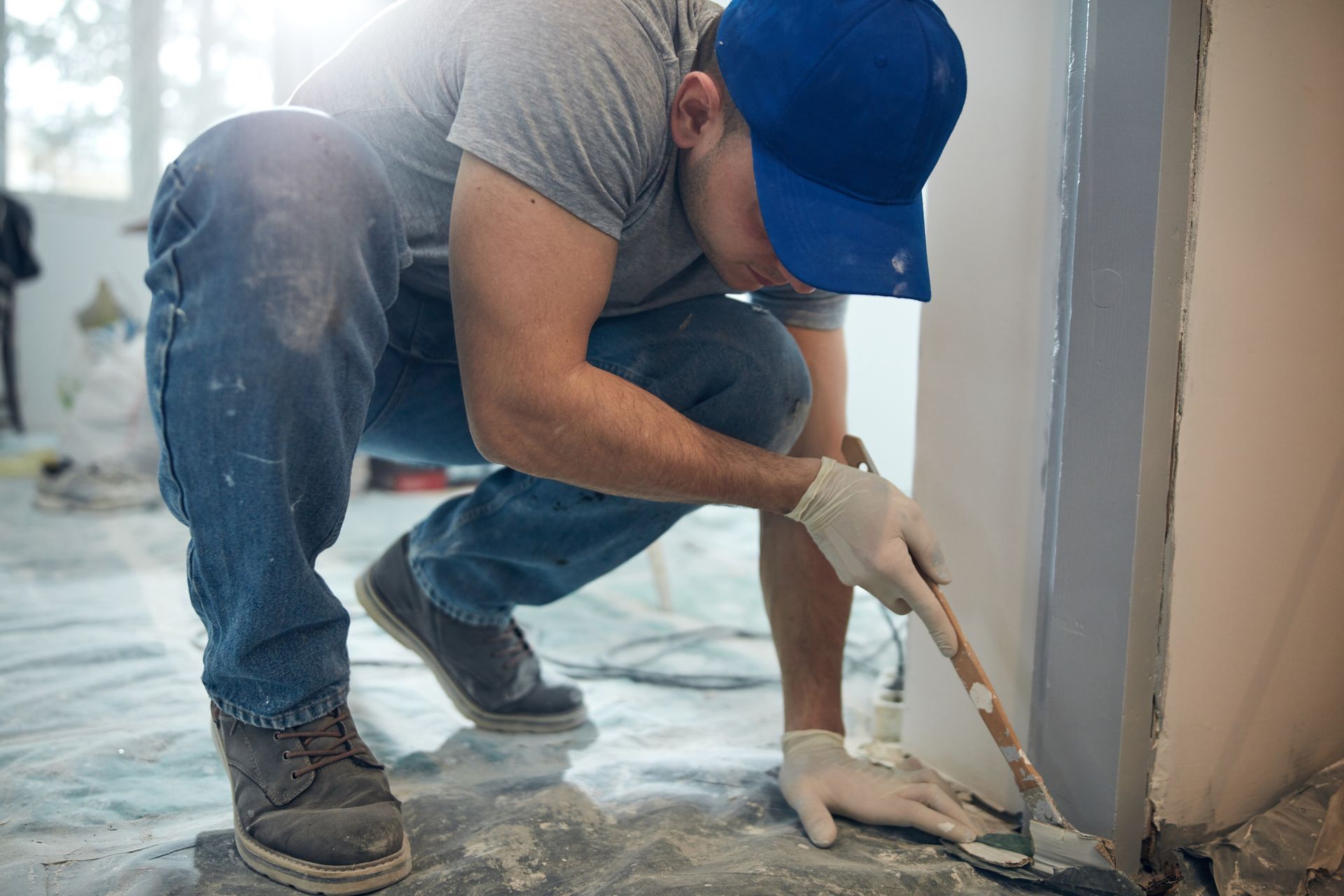
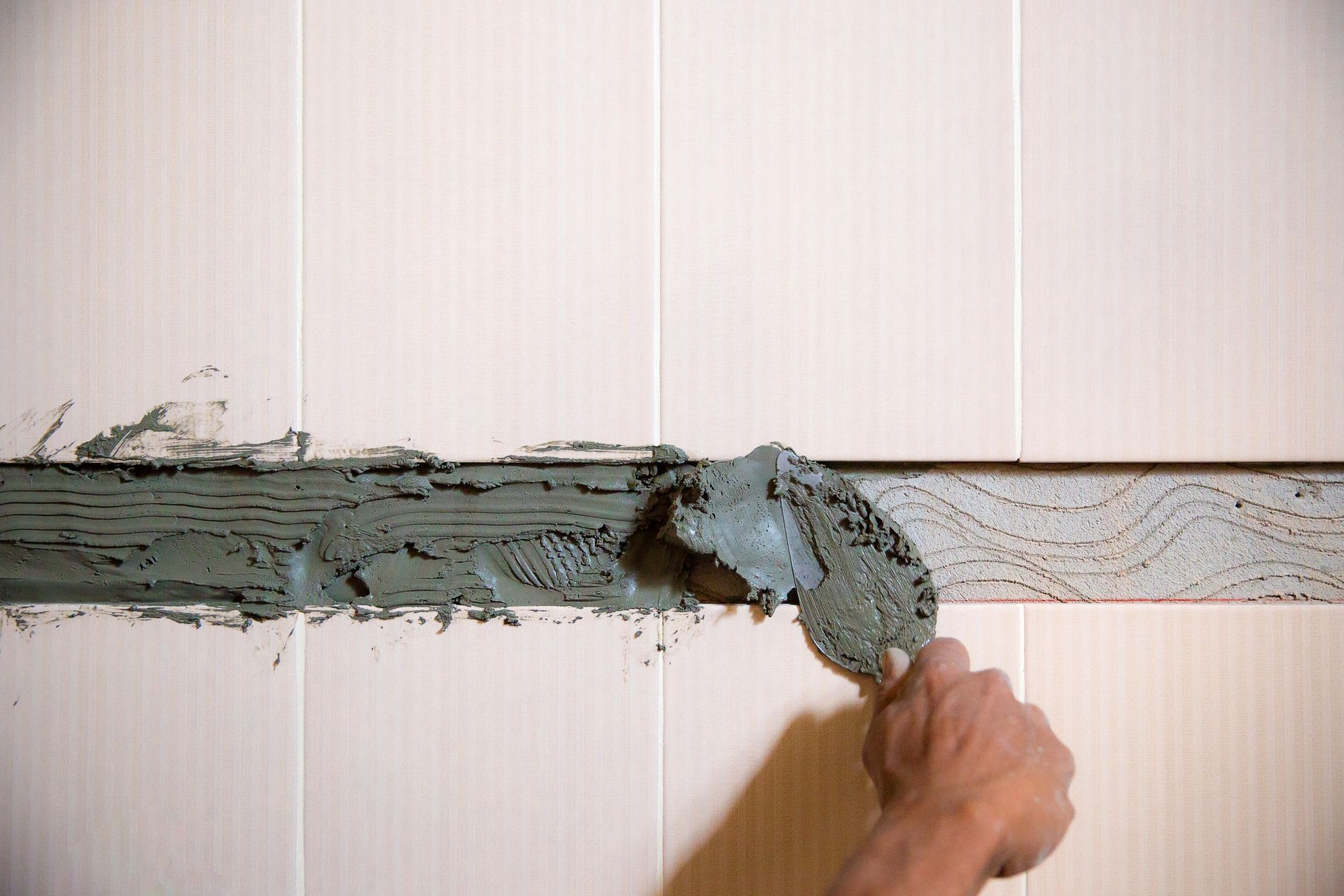
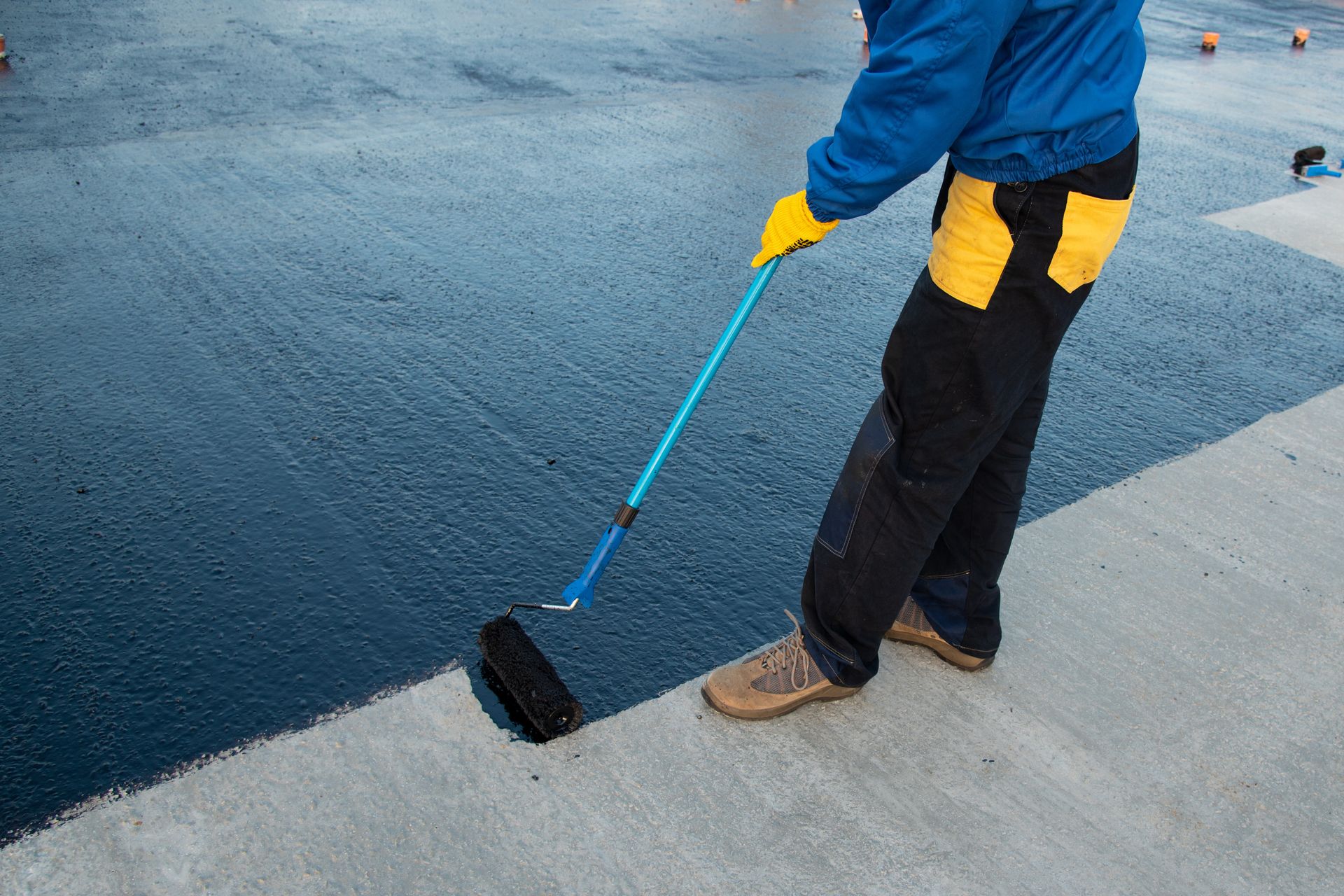
The process typically involves cleaning the foundation surface, repairing minor cracks, and applying protective coatings designed to reduce moisture penetration. In some cases, exterior excavation or drainage adjustments may be required to improve water flow around the property. Weather conditions, accessibility, and drying time for protective materials may also influence the timeline. Once completed, the system helps protect basement walls from excess moisture and supports a more stable indoor environment.
Damp-proofing can help reduce conditions that allow mold to develop, but it does not guarantee complete mold prevention. Mold thrives in environments where moisture, warmth, and organic materials are present. By limiting moisture intrusion through foundation walls, damp-proofing reduces humidity levels that support mold growth. However, proper ventilation, humidity control, and regular inspections are also important for maintaining a healthy basement environment. If mold has already developed, remediation may be required before moisture control solutions are applied to prevent future growth.
Yes, damp-proofing solutions can often be applied to finished basements, although the approach may vary. In finished spaces, contractors may need to access foundation walls from the exterior or remove small sections of interior materials to inspect the structure. Once the source of moisture is identified, protective coatings or drainage improvements can be installed to reduce moisture intrusion. Homeowners with finished basements often benefit from early moisture detection because it helps prevent damage to drywall, flooring, insulation, and other interior materials.
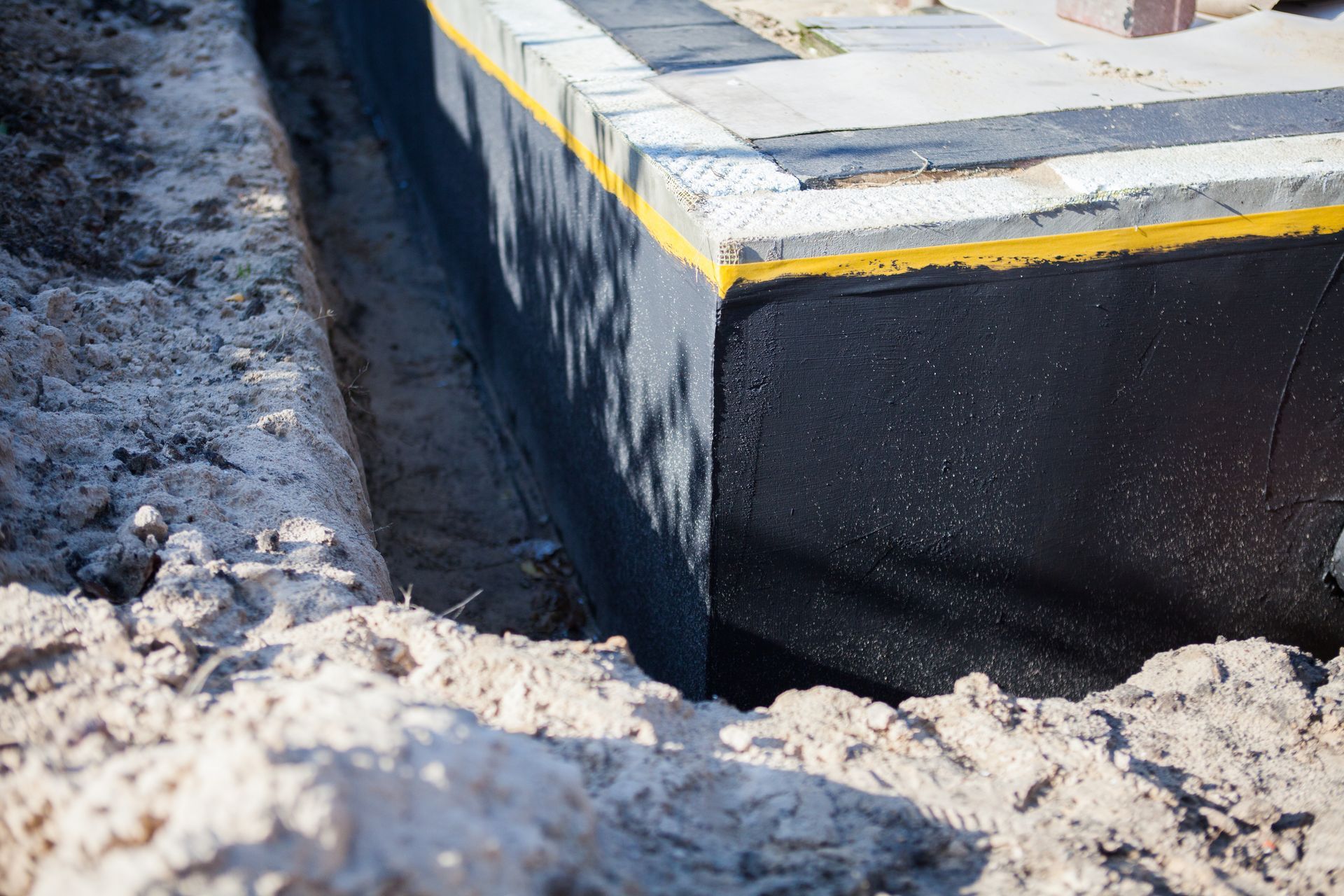
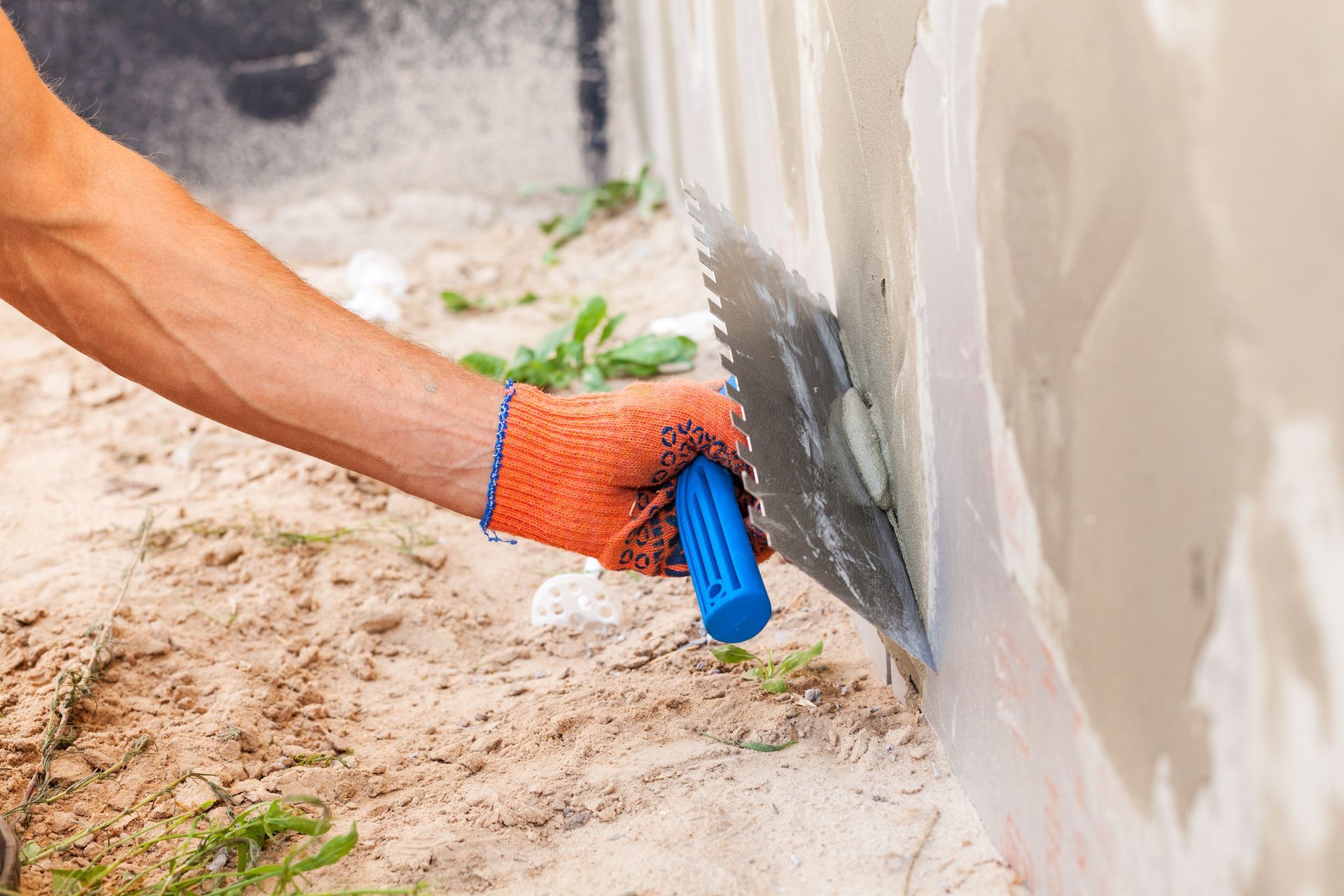
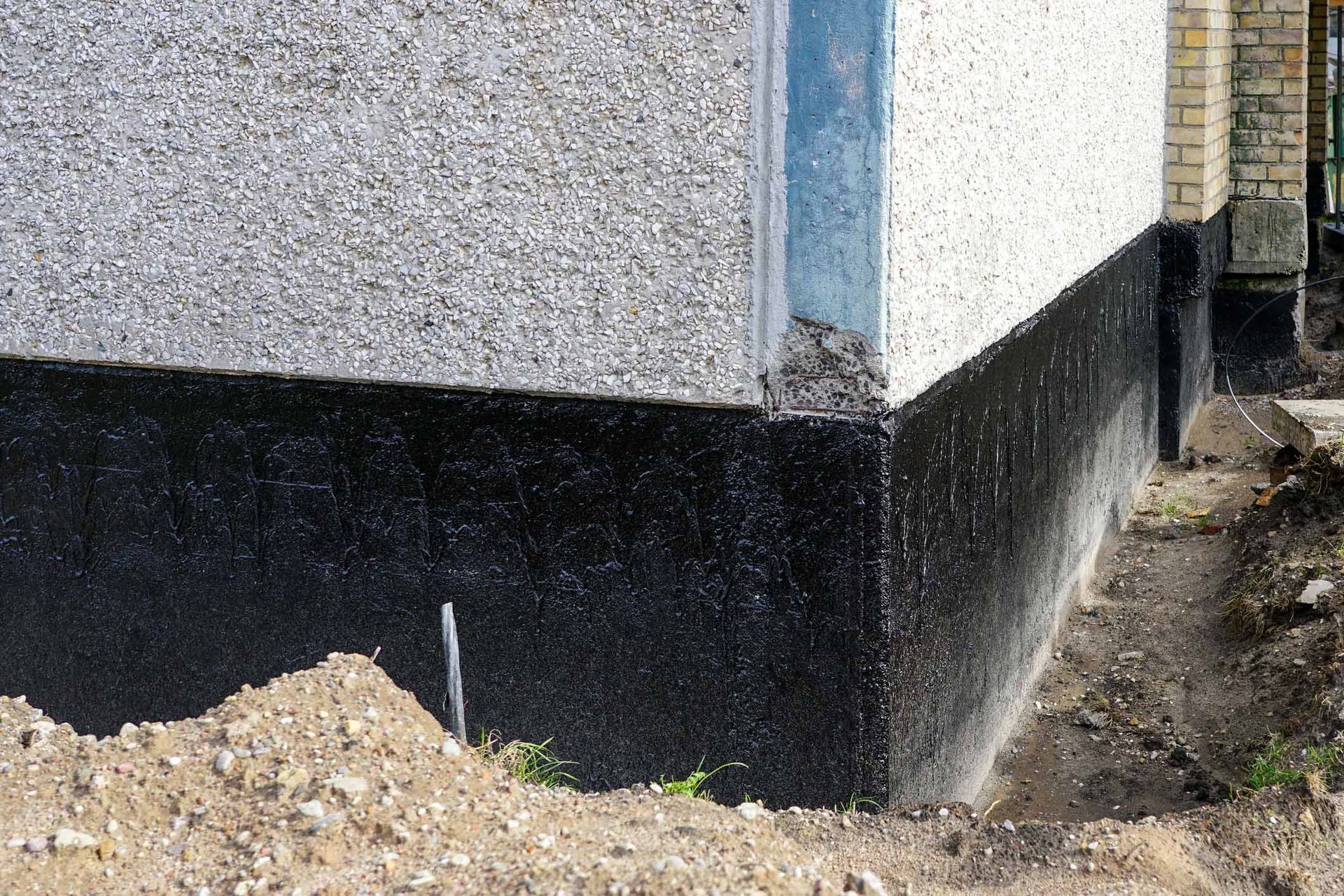
Damp-proofing systems commonly use asphalt-based coatings, polymer sealants, and protective membranes applied to foundation walls. These materials create a barrier that limits moisture penetration through porous concrete or masonry surfaces. Some systems may also include drainage boards or protective layers that direct water away from the foundation before it reaches the wall surface. Proper surface preparation is important so coatings adhere correctly and perform as intended. The choice of materials depends on soil conditions, foundation design, and the level of moisture exposure around the home.
Most damp-proofing systems can last many years when installed properly and supported by good drainage around the property.Longevity often depends on factors such as soil movement, foundation condition, and how well surface water is directed away from the home. Routine inspections, gutter maintenance, and proper grading around the foundation can help extend the lifespan of moisture protection systems. If small cracks or drainage issues develop over time, early repairs can prevent moisture from entering and maintain the effectiveness of the protective barrier.
Damp-proofing alone may not provide sufficient protection in locations with high groundwater levels or flooding risk. Homes exposed to heavy rainfall or frequent groundwater pressure typically require a more comprehensive moisture control system. In these situations, drainage systems, sump pumps, and full basement waterproofing strategies may be necessary to manage water flow around the foundation. Damp-proofing can still provide an additional protective layer, but it works best when combined with proper exterior drainage and foundation protection methods.
Homeowners should look for contractors with experience in foundation moisture control, proper licensing, and strong local references. A qualified professional will evaluate soil conditions, drainage patterns, and foundation materials before recommending a solution. Transparent inspections, clear explanations of the proposed system, and written estimates are also important indicators of reliability. Asking about past projects and understanding the maintenance expectations of the system can help homeowners make an informed decision. For guidance or project questions, homeowners may contact J & D Waterproofing at (724) 746-8870 to discuss basement moisture concerns.


Union Pay

Pennsylvania Counties
West Virginia Counties