Interior vs. Exterior Basement Waterproofing: Which Do Wheeling, WV, Homes Actually Need?
Choosing between interior and exterior basement waterproofing is the most important decision Wheeling, WV, homeowners face when water enters their homes. The geology, terrain, and rainfall patterns of the Wheeling area make that choice especially consequential. This post breaks down how each method works, when one outperforms the other, and what local conditions mean for your home.
What Is the Difference Between Interior and Exterior Basement Waterproofing?
Both methods solve the same problem through opposite strategies. Exterior waterproofing stops water before it contacts your foundation walls, while interior waterproofing collects and redirects water that has already entered the wall assembly or floor area.
How Exterior Waterproofing Works
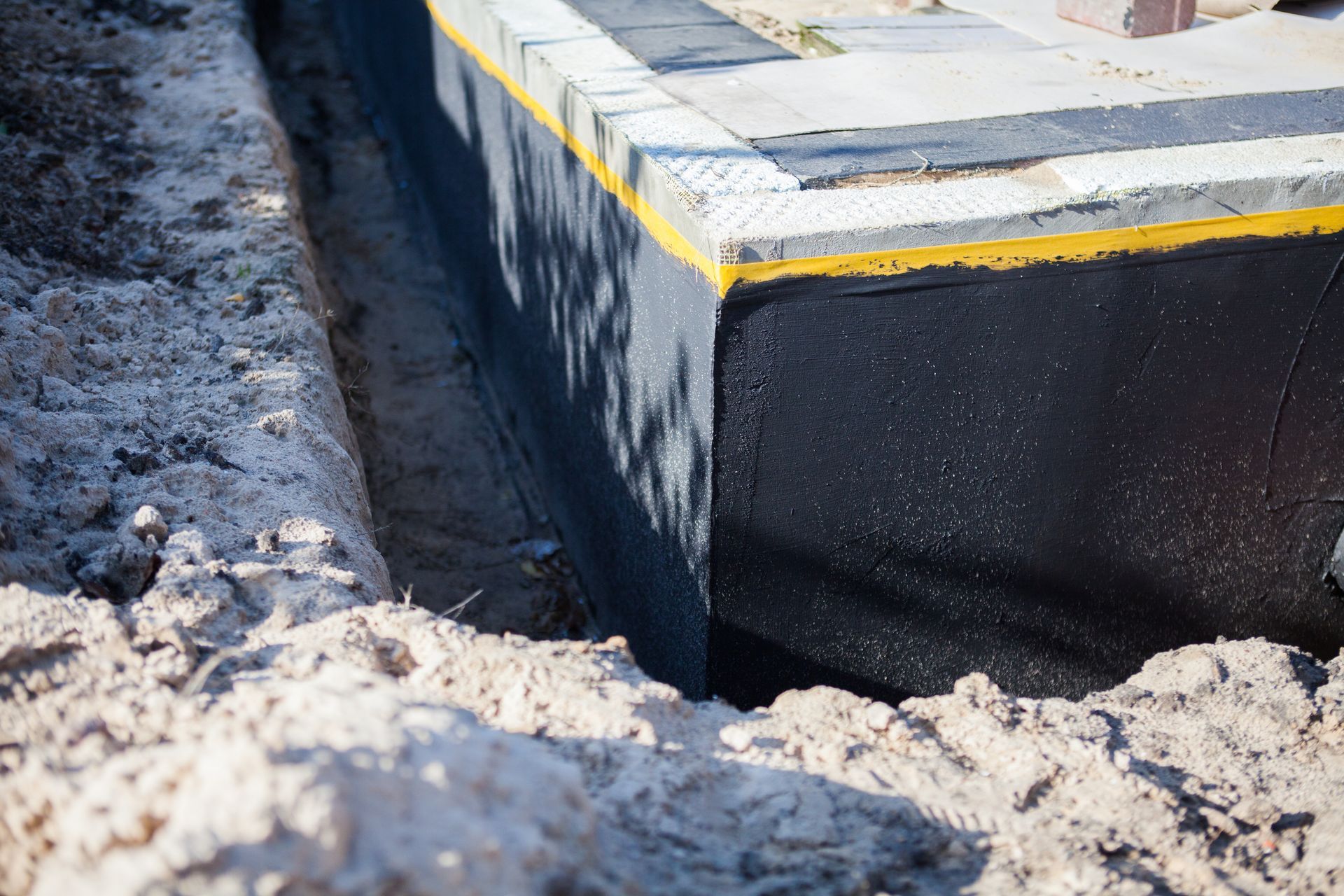
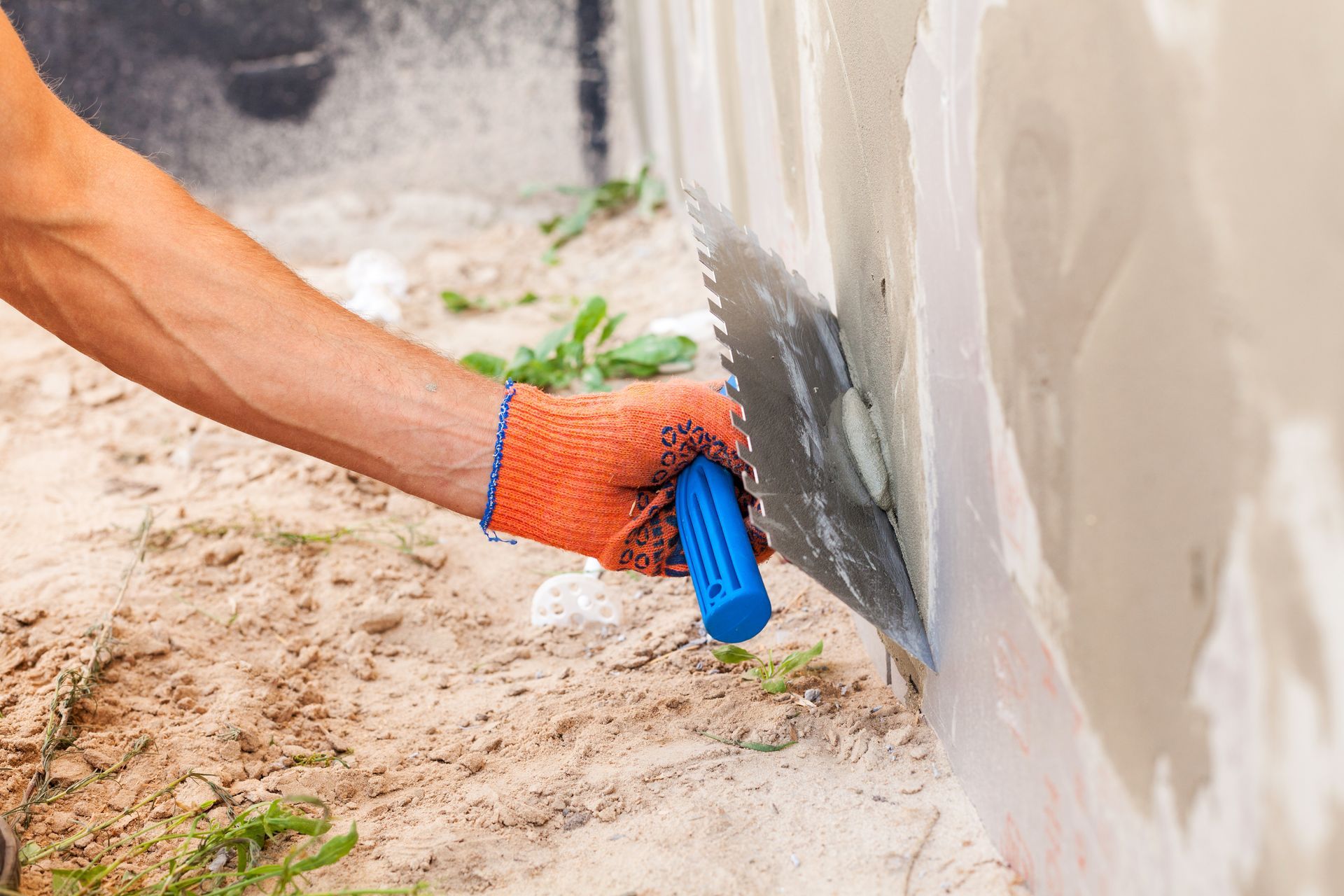
Exterior waterproofing involves excavating soil around your home down to the footing level. A waterproof membrane or coating is applied to the outside of the foundation wall, and a drainage board or French drain may be installed to direct groundwater away from the structure. This approach addresses the source directly and is well suited when active hydrostatic pressure is pushing against the exterior wall.
How Interior Waterproofing Works
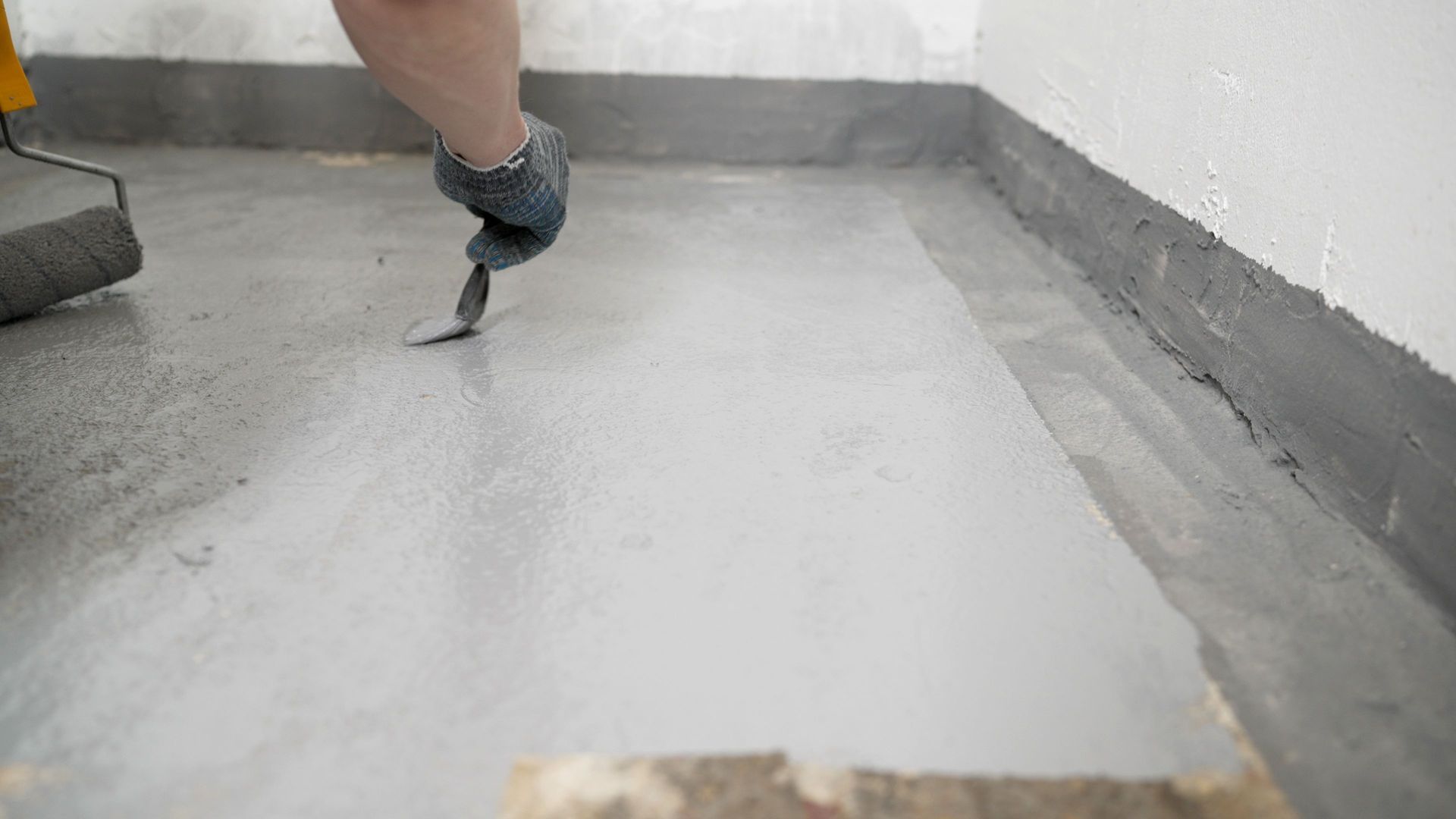
Interior drainage systems manage water after it has entered or is working through the foundation. A channel is cut along the perimeter of the basement floor, a drainage pipe is laid in, and the system routes water to a sump pump that discharges it away from the home. Interior basement waterproofing is far less invasive than excavation and is often the preferred approach for moisture seepage, condensation, and moderate groundwater intrusion.
Why Wheeling, WV, Soil and Topography Change the Equation
Wheeling sits in Ohio County along the Ohio River in West Virginia's Northern Panhandle. Local ground conditions create some of the most challenging basement environments in the region.
Ohio County Clay-Rich Soil
Ohio County soils have high clay content. Clay expands when wet and holds moisture far longer than sandy or loamy alternatives. After rain falls on Wheeling's hillsides in neighborhoods like Elm Grove, Woodsdale, or Triadelphia, that saturated clay can build steady hydrostatic pressure against foundation walls for days, forcing water through cracks, cold joints, and masonry pores. Older homes with block or stone foundations are especially vulnerable.
The Ohio River Water Table Factor
Wheeling's location along the Ohio River raises the regional water table, particularly during spring snowmelt and heavy rain. When the river rises, groundwater pressure across lower-lying parts of the city increases significantly. Areas near South Wheeling and Center Wheeling may experience seasonal flooding tied directly to high groundwater rather than surface runoff. In these situations, an interior drainage system paired with a properly sized sump pump often manages water more reliably than exterior excavation alone.
Hilly Terrain and Drainage Patterns
Much of Wheeling is built on sloping hillside terrain. Homes on hillsides face concentrated runoff during storms as water sheets down the slope and collects against uphill foundation walls. Exterior waterproofing membranes may offer added protection on the high side of the structure, while an interior system manages residual seepage elsewhere.
When Exterior Waterproofing May Be Warranted
Exterior waterproofing tends to be the stronger solution when foundation walls show active cracking, bowing, or structural movement caused by soil pressure; water is entering above the floor line through visible wall cracks or porous masonry; a new home is being built before backfilling; previous interior systems have not kept up with water volume; or the home sits on a hillside with significant upslope runoff concentrating against one wall. In established neighborhoods, mature landscaping, sidewalks, and neighboring structures may complicate exterior access and add to project scope.
Most Wheeling Homes Benefit From a Diagnostic Approach
There is no single answer for every home in Wheeling, WV. The right basement waterproofing choice depends on where water is coming from, the age and type of the foundation, soil conditions at your specific property, and proximity to Wheeling Creek or the Ohio River. A thorough inspection by a qualified waterproofing professional can identify whether water is driven by surface runoff, high groundwater, or hydrostatic wall pressure, and that diagnosis should drive the solution.
Signs It Is Time to Call a Professional
Water stains, white mineral deposits (efflorescence), or mold growth on basement walls; musty odors that persist in dry weather; horizontal or stair-step cracks in foundation walls; a sump pump that runs constantly or fails to keep up during rain; and standing water or wet floor areas after storms are all indicators that professional evaluation is needed.
Get the Right Solution for Your Wheeling Home
The team at J & D Waterproofing serves Wheeling, WV, and the surrounding area with interior drainage systems, exterior waterproofing, sump pump installation, and foundation repair. Whether your basement is dealing with hillside runoff, Ohio River water table pressure, or Ohio County clay holding moisture against your walls, a professional inspection can identify the right fix the first time. Contact J & D Waterproofing to schedule a consultation or learn more about available waterproofing services. Call (724) 746-8870 to request a free estimate today.
Recent Posts